

Comfrey Seedling
As comfrey rarely sets seed, it is generally propagated by division of roots; in fact, each
piece of broken root has potential to shoot. Plan...
SKU:
Couldn't load pickup availability
Availability :
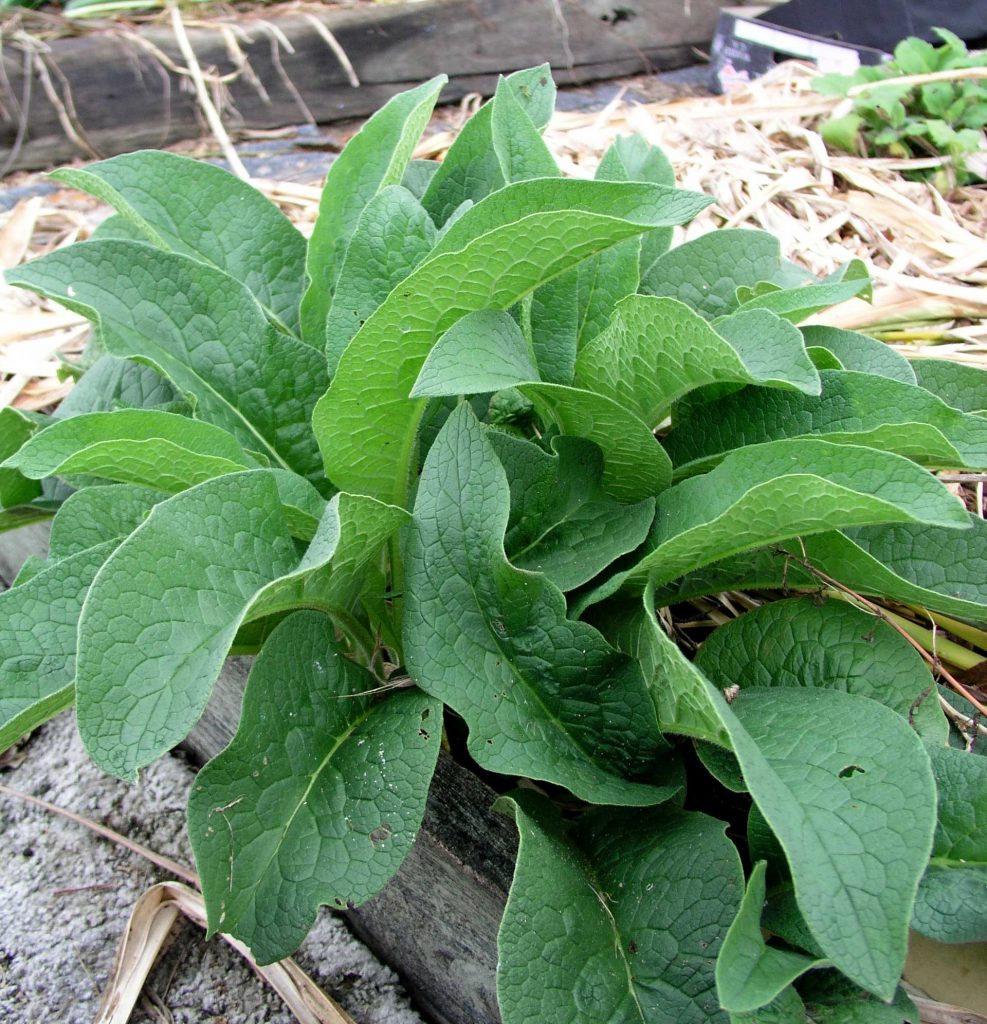

As comfrey rarely sets seed, it is generally propagated by division of roots; in fact, each
piece of broken root has potential to shoot. Plant in a permanent position, as comfrey
can have a very long life. Andrew Hughes, who researched comfrey over many years,
said: “Your comfrey will outlive you and still be growing, if you treat it properly”. Choose a
sun or partial shade site, and loosen heavy, compacted soil. Enrich the soil with compost
or a nitrogen rich dressing regularly, and water during dry periods. The more the leaves
are picked by cutting or pulling at the base, the more the leaves will keep coming.
Regular cutting will stop the plant from flowering so it can put this energy into leaf
production. Plants clump thickly and expand but roots do not run, like mint. Do not plant
too closely to small herbs, as the large leaves of comfrey may shade them out
completely. In temperate climates, comfrey goes deciduous in winter. On the Sunshine
Coast, Queensland, we have leaves to pick all through winter.
Comfrey prefers humus-enriched soil (abounding in aerobic bacteria, fungi and micro-
elements) to artificial fertilisers. It likes a slightly alkaline soil at pH 7.2 but will also grow
well in acid soil. It is only when comfrey roots get down to the subsoil, that the plant is
able to draw up minerals from deep down; the plant then reaches its maximum in food
value, in vigour of growth and palatability for stock feed. Plants will produce copiously
with a plentiful supply of water, but dislike being waterlogged.
Minerals:
calcium, phosphorus, potassium, chromium, cobalt, copper, magnesium, iron,
manganese, sodium, boron, lead, sulphur, molybdenum, zinc
Actions:
vulnerary, astringent, expectorant, emollient, demulcent, antiseptic, pectoral, nutritive,
tonic, alterative, styptic, homeostatic, antioxidant
Medicinal Uses
Recorded history tells of comfrey’s use, since ancient times, for healing. Dioscorides,
author of one of the oldest herbal texts, ‘Materia Medica’ of 50 AD, prescribed the plant
to heal wounds and broken bones. Many writers since have honoured the herb. The
name comfrey is believed to come from Latin ‘confera’, meaning knitting together. The
genus name symphytum means to heal together, and for this use, it is renown: that it
can assist the body to heal any part that is torn or broken, which also explains the
reason for another common name, knitbone. Leaves or roots applied as a wash, poultice
or ointment are used for bruising, sciatica, boils, rheumatism, neuralgia, varicose veins,
bed sores, wounds, ulcers, insect bites, tumours, muscular pain, pulled tendons,
gangrene, shingles and dermatological conditions